

HomeSchool Special!
Wednesdays
From 1pm to 3:30pm
We want to give a fun and active place for all HomeSchool kids to enjoy:
Wednesdays between 1pm and 3:30pm
- $10 for climbing
- $15 for climbing + rental shoes & harness
No additional fees, no commitment. Just awesome climbing!
Special Limitations:
- Climbing Duration:
Please check-in before 2pm and this climbing special ends at 3:30pm. If you wish to climb after 3:30pm, please consider purchasing a full-day day pass or even better, joining as a member so your kids can climb every day without any limitation! - Climbing Days: These special Wednesdays are only during normal Douglas County School District school days.
- This deal NOT available during DCSD school breaks.
- This deal is NOT available during Fall/Winter/Summer Break.
- Waivers:
Youth 17 & under: If this is your first time climbing with us, please have your parents fill out our Online Waiver (Release) for you! - School Age Appropriate:
This special is for Elementary, Middle, & HS kids – not for pre-school kids.
Book online and get early (1pm) access!
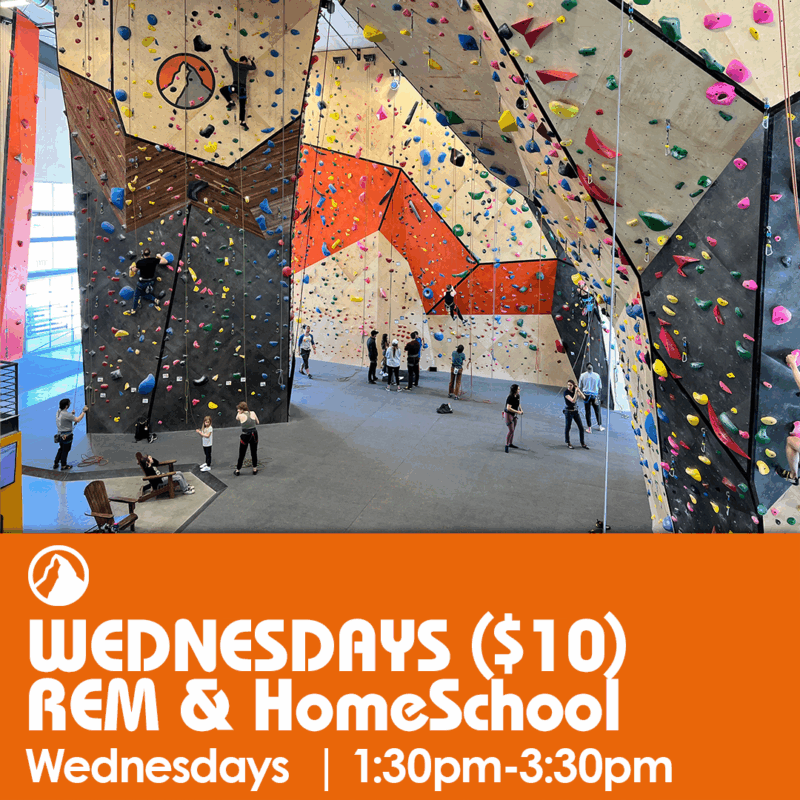
Climb as a family!
We have a number of families that homeschool their kids and use our facility to:
- incorporate P.E. into their kids curriculum.
- help their kids get active during the school day.
- socialize with friends & other families.
Rock Climbing is enjoyable for both kids of all ages and parents, too! It’s one of the rare activities that everyone can find appropriate climbs on the wall, and still be together. Climbing promotes self-esteem, cooperation, self-reliance, endurance, and strength.
The Value of Climbing
Homeschool kids can greatly benefit from indoor rock climbing for a variety of reasons that support their physical, mental, and social development. Here are several key reasons why learning to rock climb indoors can be a valuable activity for homeschool children:
1. Physical Health and Fitness
- Full-Body Exercise: Rock climbing is a full-body workout, engaging almost every muscle group. Kids develop strength, coordination, and flexibility as they climb, which helps improve overall fitness and health.
- Improved Motor Skills: Climbing requires precise hand-eye coordination and fine motor control, which helps kids develop better dexterity, balance, and agility.
- Endurance and Stamina: Climbing challenges kids to push their physical limits, helping them build endurance and stamina over time.
2. Problem-Solving and Critical Thinking
- Strategic Thinking: Rock climbing isn’t just physical; it’s also a mental challenge. Climbers must plan their routes, assess their surroundings, and think critically about how to approach each new section of the climb.
- Tactical Decisions: As they climb, kids need to assess the best handholds and footholds, adjust their technique, and make split-second decisions, enhancing problem-solving abilities.
- Goal Setting: Successfully completing a climbing route requires setting and achieving short-term goals, teaching kids how to break tasks into manageable steps.
3. Confidence and Independence
- Overcoming Fears: Climbing can be intimidating, especially at first. When kids overcome their fears and succeed in climbing a wall, it can significantly boost their self-confidence.
- Sense of Achievement: Completing a challenging climb or reaching the top of a wall provides a tangible sense of accomplishment, which can positively impact a child’s self-esteem.
- Independence and Self-Reliance: Kids learn to trust their own judgment and capabilities as they climb and solve problems independently, fostering a strong sense of autonomy.
4. Focus and Mental Toughness
- Concentration: Rock climbing requires sustained focus and attention to detail. Kids must stay engaged and be mindful of their movements, which can help improve attention span and concentration in other areas of life.
- Resilience and Persistence: Climbing teaches kids that success often requires multiple attempts. Failure is part of the learning process, and perseverance becomes key to improving, which fosters mental resilience and grit.
5. Social Skills and Teamwork
- Collaboration: With climbing & belaying, kids can work together to ensure each other’s safety. This promotes teamwork, communication, and mutual support.
- Building Friendships: Indoor climbing provides a social environment where they can meet new friends and build social skills in a structured yet fun setting.
6. Exposure to New Experiences
- Variety and Exploration: Rock climbing exposes kids to new challenges and environments, which can be inspiring and broaden their perspectives.
- Connection with Nature (Even Indoors): Although climbing indoors is a controlled environment, this activity can help cultivate an appreciation for the outdoors and the physical challenges that come with it.
7. Stress Relief and Mental Well-Being
- Reducing Anxiety: Physical activity like rock climbing can help reduce stress and anxiety by triggering the release of endorphins, which boost mood and promote emotional well-being.
- Mindfulness: Climbing requires focus on the present moment, which encourages mindfulness and can be therapeutic for children who may experience stress or anxiety, helping them to feel calmer and more centered.
8. Learning Science and Physics Concepts
- Practical Application of Science: Rock climbing offers hands-on lessons in physics, especially in the areas of balance, friction, force, and gravity. Kids can learn about how their body interacts with the climbing wall and how climbing techniques affect the physical challenges they face.
- Understanding Mechanics: The way different holds work, how body positioning affects stability, and how gravity plays a role in climbing all give kids a deeper understanding of basic mechanical principles.
9. Encourages Lifelong Learning and Healthy Habits
- Continual Improvement: Climbing is a skill that takes time to master. Kids can continue to develop and improve their climbing abilities over the long term, setting a foundation for lifelong learning and personal growth.
- Building Healthy Habits: Regular participation in climbing encourages an active lifestyle, teaching kids the importance of physical fitness and healthy habits that they can carry with them throughout their lives.
Conclusion:
Indoor rock climbing provides homeschool kids with a range of developmental benefits, from enhancing physical health to fostering critical thinking and emotional resilience. It also offers a fun and dynamic way to break up the homeschool routine, encourages social interaction, and provides a unique outlet for kids to challenge themselves in both body and mind. Whether it’s improving strength, building confidence, or simply learning to enjoy a new activity, indoor climbing is a valuable addition to a homeschool curriculum.